What Does Tree Removal Cost? Factors Affecting Price & How to Budget
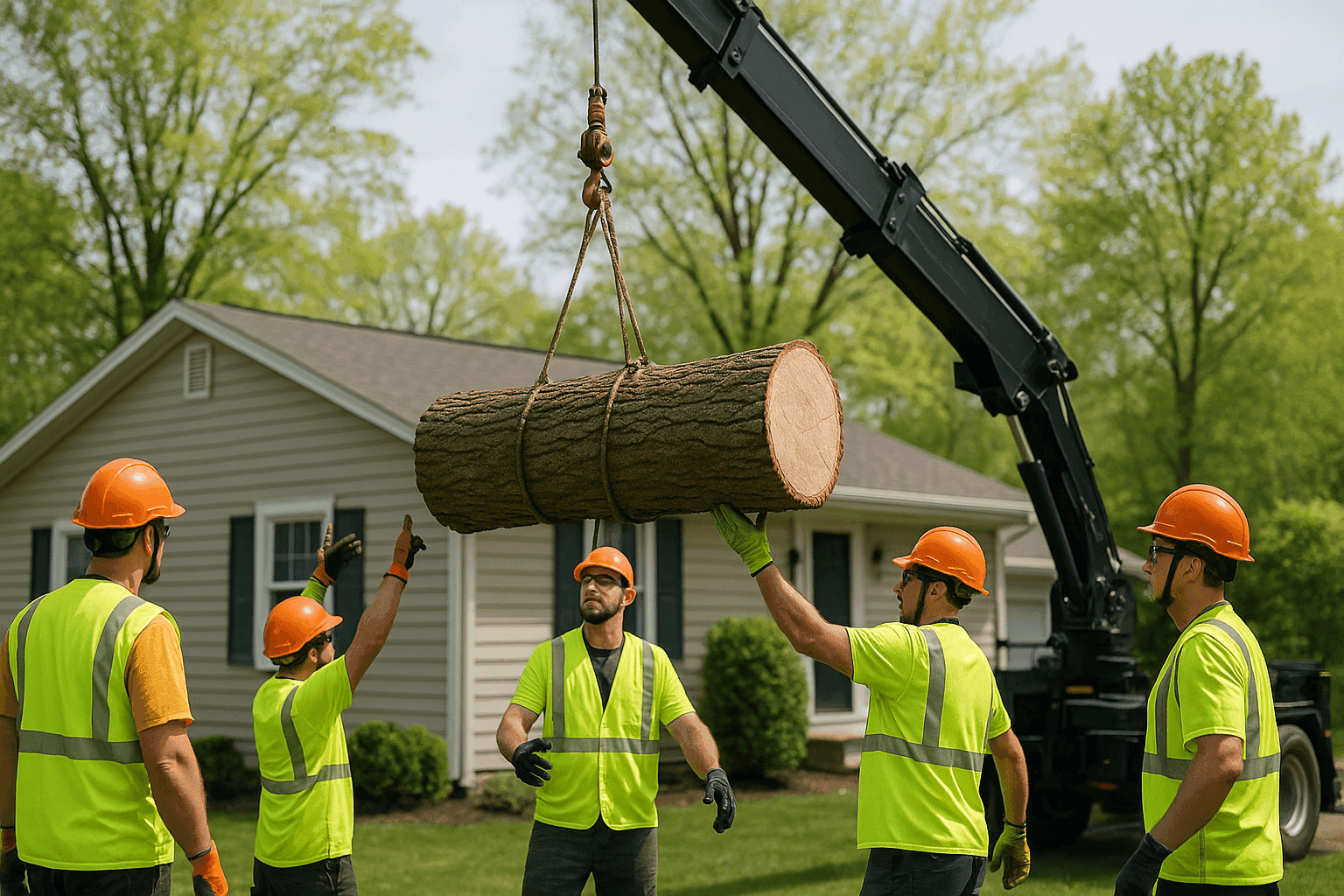
When a tree's days are numbered, you might feel a mix of worry and urgency. Will it fall? Is it safe to wait? How much will it cost to have it removed? Whether you own a cozy home or manage a sprawling commercial property, these questions hit hard.
At Emsworth Tree Care, we get how stressful this can feel. Tree removal isn’t just about cutting wood—it's about protecting what matters. Let’s break down the true costs, what goes into the price, and how to plan ahead.
What Influences Tree Removal Cost? 🌳
Tree removal isn’t one-size-fits-all. The cost can swing wildly, like a branch in a storm, based on several core factors. Here’s what truly matters:
- Tree Size: Taller and wider trees mean more work, more risk, and more hours on-site.
- Species & Wood Density: Hardwoods like oak or hickory are tougher to tackle than softer species. Some trees are also more brittle or hazardous.
- Condition: A dying, diseased, or already fallen tree may cost less—or more, if it’s precariously leaning or near wires.
- Location & Accessibility: Is the tree squeezed between buildings? Close to power lines? Out in the open? The harder it is to reach, the higher the cost.
- Additional Services: Do you need stump grinding, debris hauling, or site cleanup? These add to the total.
- Urgency: Emergency tree_services—especially after storms—often require immediate response, which can increase costs.
Every property is different. A single tree can pose unique challenges or risks, which is why no two jobs are priced exactly the same.
Size, Location & Accessibility
Think of tree removal like moving a piano: easy if it’s in an open room, much harder if it’s wedged up a tight stairwell.
Tree Size
- Small trees (under 30 feet): Quicker to remove, often less expensive.
- Medium trees (30–60 feet): More labor and equipment involved.
- Large trees (over 60 feet): Require special safety measures, more crew, and often heavy machinery.
Location & Accessibility
- Open yards: Easier access for trucks, chippers, or cranes keeps prices lower.
- Tight spaces: Close to fences, homes, or gardens? Crews may need extra gear or take more time to protect nearby structures.
- Obstacles: Power lines, sheds, septic tanks, or sloped ground all influence the approach—and the bottom line.
The trick is, the more challenging the removal, the more it costs. Sometimes, city codes or local ordinances (like those outlined by the International Society of Arboriculture) add extra steps or permits, especially for protected species or trees near public roads.
Emergency and Storm Removal Surcharges ⚡
Nature doesn’t check your calendar before knocking down a tree. Storms, high winds, or heavy snow can leave you with urgent hazards—trees blocking driveways, threatening roofs, or tangled in wires.
- Emergency tree_services require rapid response, often after-hours.
- Storm-damaged trees may be split, hung up, or unstable, making removal dangerous.
- Cleanup after storms involves hauling debris, chipping branches, and sometimes working in hazardous conditions.
Because crews must drop everything and mobilize with extra safety gear, expect an emergency surcharge. The price is higher, but it reflects the added risk, skill, and equipment needed to make your property safe—fast.
Specialized Equipment: When Costs Rise
Sometimes, removing a tree isn’t just about chainsaws and ropes. Certain jobs call for heavy-duty equipment:
- Cranes: For towering or hazardous trees that can’t be safely felled.
- Bucket trucks: To reach high branches or work near buildings.
- Stump grinders: To remove the root ball and leave a level surface.
- Tree cabling and bracing: For partially damaged or hazardous trees needing stabilization before removal.
Bringing in this kind of gear adds to the expense. But it’s often the safest (and only) way to protect people and property.
Budgeting and Getting Accurate Estimates
Tree removal can feel like a mystery box. Here’s how to budget and avoid surprises:
Get Multiple, Detailed Estimates
- Ask for itemized quotes: See exactly what’s included—tree removal, stump grinding, debris hauling, etc.
- Clarify exclusions: Are permits, site restoration, or disposal fees extra?
- Request proof of insurance and certification: Reputable tree_services providers carry proper coverage and follow industry standards (like ANSI Z133 safety requirements).
Residential vs. Commercial Projects
- Homeowners: Focus on protecting family, pets, gardens, and structures. Ask about damage prevention and site cleanup.
- Businesses/Property Managers: Consider liability, public safety, and site access for customers or tenants. Larger jobs may need phased work or specialized reporting.
Avoid Hidden Fees
- Watch for “hourly” add-ons: Some companies quote a base price but add time-based fees for delays or “unexpected” challenges.
- Review contracts: Make sure every service discussed is listed.
Plan for the Unexpected
- Budget for contingencies: Sometimes, roots run deeper, or rot is worse than expected. Allow a buffer in your budget.
Practical Tips for Tree Removal Planning
- Schedule non-emergency work in off-peak seasons: Late fall and winter can be less busy (and sometimes less expensive).
- Check local codes: Some areas require permits or have restrictions on tree removal—especially for heritage trees.
- Ask about debris recycling: Some providers chip removed trees for mulch or donate wood, reducing disposal costs.
Frequently Asked Questions
How long does tree removal take?
Most residential tree removals take a half day to a full day, but large or complex jobs can run longer, especially if cranes or multiple trees are involved.
Is stump grinding included?
Not always. Some quotes cover stump grinding, others don’t. Always ask for clarity if you want the area left clear and ready for new planting—or if you’re planning “Tree Planting near you” soon.
Do I need to be home during removal?
For safety and access, it helps—but it’s not always required. Discuss any access needs or concerns with your tree_services provider in advance.
What about cleanup?
A reputable company includes standard cleanup in their quote, but hauling away large wood or extra debris may add to the price. Always clarify.
Local and Seasonal Considerations
Our region sees seasonal storms, wet winters, and the occasional surprise freeze. These can impact tree health—and the demand for emergency tree_services. Plan routine property maintenance in advance, and don’t wait until a tree becomes an urgent hazard.
If you’re managing a commercial property, remember local ordinances may dictate when and how tree removal must occur. It’s always wise to consult with an ISA Certified Arborist for guidance.
Budgets matter. So does safety. The right tree_services provider will walk you through every step, making sure you know what you’re paying for—and why. At Emsworth Tree Care, we’re happy to answer your questions and provide clear, honest estimates for both residential and commercial clients.
Call Emsworth Tree Care now — or reach us anytime at 855-606-4855 .