Tree Trimming & Pruning: Best Practices for Healthy Trees Year-Round
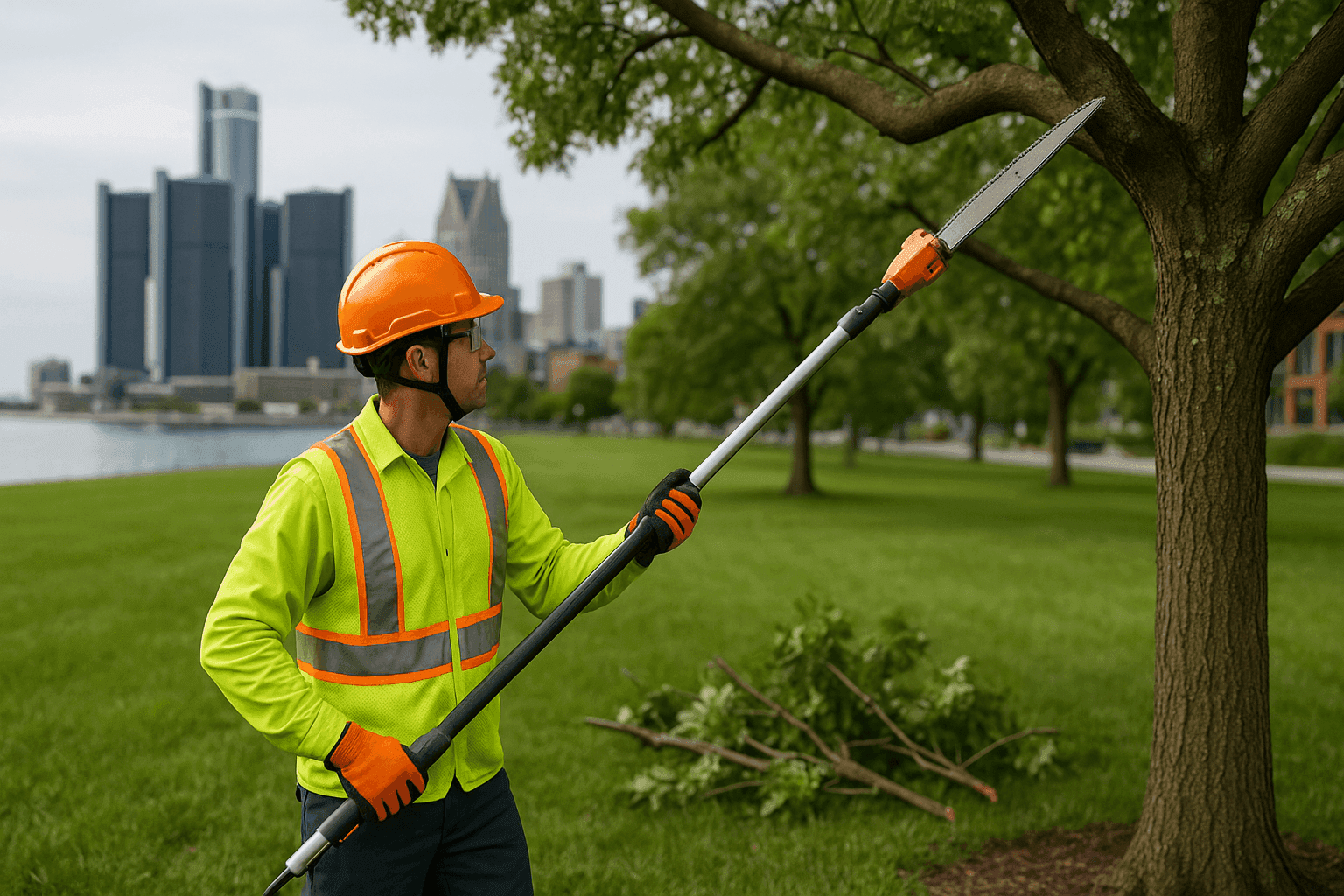
Trees are more than just part of the scenery. They’re living investments. Whether you’re a homeowner or manage a commercial property, healthy trees bring beauty, shade, and safety—but only when cared for properly. At Emsworth Tree Care, we see daily how routine trimming and pruning keep trees strong, secure, and stunning through every season.
Neglecting maintenance is like skipping oil changes for your car. The risks grow quietly: safety hazards, storm damage, pest infestations, and expensive emergencies. We want to share what really works—practical best practices, lessons from the field, and clear reasons why tree trimming is about more than just looks.
Why Tree Trimming Matters 🌳
Tree trimming and pruning aren’t just chores—they’re vital steps in tree health, the same way a good haircut keeps you feeling sharp and tidy. Here’s why:
- Safety: Overgrown or dying branches can fall without warning, threatening people, pets, vehicles, and buildings.
- Health: Removing diseased or weak limbs prevents infections from spreading and lets the tree focus its energy on healthy growth.
- Aesthetics: Proper shaping makes trees look balanced and beautiful, boosting curb appeal for homes and businesses.
- Storm Readiness: Well-pruned trees are less likely to snap or uproot during heavy winds, ice, or rain.
Routine trimming is the backbone of professional tree_services. It’s about prevention, not just reaction.
When to Trim: Seasonal Guide
Timing matters. Trimming at the wrong time can stress a tree or invite disease. Here’s a season-by-season guide:
- Winter (Dormant Season): The best time for most pruning. Trees are “asleep,” making them less vulnerable to pests or disease. Cuts heal quickly when growth resumes in spring.
- Spring: Light trimming is fine, but avoid heavy pruning, as sap flows and energy goes into new growth.
- Summer: Remove dead or damaged limbs after storms. You can correct minor shape issues, but avoid aggressive cuts.
- Fall: Generally, avoid major pruning. Trees are preparing for dormancy, and wounds may not heal before winter.
Exceptions exist—some flowering trees need special timing. Consult an arborist for advice specific to your landscape or region. The Arbor Day Foundation and International Society of Arboriculture offer seasonal guidance you can trust.
Essential Tools & Safety Gear 🛠️
Trimming trees isn’t just climbing ladders with a saw. The right tools and safety gear make all the difference:
Must-Have Tools:
- Bypass hand pruners (for small branches)
- Loppers (for limbs up to 2 inches thick)
- Pruning saw (for larger branches)
- Pole pruner (for higher, thinner limbs)
Safety Gear:
- Hard hat (protects from falling debris)
- Safety glasses or goggles
- Heavy-duty gloves
- Sturdy, non-slip boots
- Hearing protection (for power tools)
- High-visibility vest (especially near roads or commercial sites)
Never use chainsaws aloft unless you’re trained and harnessed. For anything off the ground or over 10 feet, safety codes and OSHA guidelines recommend professional help.
DIY Trimming vs. Professional Services
There’s pride in tackling projects yourself. For small, low branches, DIY trimming is safe and practical with the right tools. But when is it time to call Emsworth Tree Care or another professional tree_services company?
DIY is suitable when:
- Branches are under 2 inches thick
- Limbs are at ground level or easily reached
- The tree isn’t near power lines or structures
Call a pro when:
- Branches are large, heavy, or high up
- Trees are close to buildings, fences, or power lines
- You spot signs of disease, rot, or pests
- Storm damage has left limbs hanging dangerously
- You need crane-assisted or emergency tree removal
Professional crews are trained in rope work, rigging, and safe climbing. They also know how to spot hidden hazards, like internal decay or unstable root systems.
Avoiding Common Mistakes ⚠️
A single bad cut can haunt a tree for years. Here are pitfalls to watch out for:
- Topping: Cutting the main trunk or large limbs flat across. This weakens the tree and invites disease.
- Lion-tailing: Stripping branches from the inside, leaving only foliage at the ends. This makes trees more likely to snap in storms.
- Flush cuts: Cutting limbs too close to the trunk removes the protective branch collar, slowing healing and opening the door to decay.
- Over-pruning: Removing more than 25% of a tree’s canopy at once can shock and weaken it.
- Improper tools: Dull blades tear bark, spreading disease and stressing the tree.
If in doubt, pause and get advice. The ISA’s pruning guidelines are a helpful reference for both homeowners and commercial property managers.
Promoting Tree Health Through Pruning
Pruning isn’t just about what you take away—it’s about encouraging the tree’s natural shape and strength. Here’s how strategic trimming supports long-term health:
- Increases Airflow: Thinning crowded branches reduces fungal diseases.
- Improves Sunlight Penetration: More light means better growth and stronger branches.
- Directs Growth: Removing competing or crossing limbs helps the tree grow upright.
- Removes Weak Points: Eliminating co-dominant stems (two equal trunks) reduces splitting risk.
Think of pruning as gentle steering, not aggressive cutting. Each snip should have a purpose.
Actionable Tips for Homeowners & Property Managers
- Inspect trees twice a year—after winter and storm season.
- Look for deadwood, cracked limbs, or signs of decay (fungal growth, hollow sounds).
- Prune small branches early, before they become large problems.
- Water and mulch young trees to reduce shock after trimming.
- For commercial sites, schedule regular tree_services for parking lots and high-traffic areas.
Citing Authoritative Sources
- ISA (International Society of Arboriculture): Their pruning standards set the industry benchmark.
- OSHA: Workplace safety codes for commercial tree work.
- Arbor Day Foundation: Trusted seasonal care tips for homeowners.
Frequently Asked Questions
How often should I trim my trees?
Most mature trees benefit from pruning every 3–5 years. Fast-growing or hazard-prone trees may need annual attention.
Can trimming hurt my tree?
If done incorrectly or at the wrong time, yes. Over-pruning, topping, or cutting during active growth can stress or even kill a tree.
What if my tree touches power lines?
Never attempt this yourself. Contact your local utility or a professional with power line clearance training.
Do I need a permit to trim trees?
Some municipalities require permits, especially for large removals or protected species. Check local ordinances before starting work.
Local and Seasonal Considerations 🍂
While these practices apply broadly, local climate matters. In coastal and wind-prone regions, regular pruning keeps trees resilient against storms. In areas with heavy snow or ice, thinning the canopy reduces breakage risk.
If you’re searching for “Tree Planting near you” or want to know what grows best in your soil, professional arborist consultations can help you plan ahead and avoid future headaches.
Healthy trees are a legacy for your property—don’t leave their care to chance. For safe, reliable, and year-round tree_services, Emsworth Tree Care is always ready to help.
Call Emsworth Tree Care now — or reach us anytime at 855-606-4855 .