How to Choose a Qualified Arborist for Safe Tree Removal
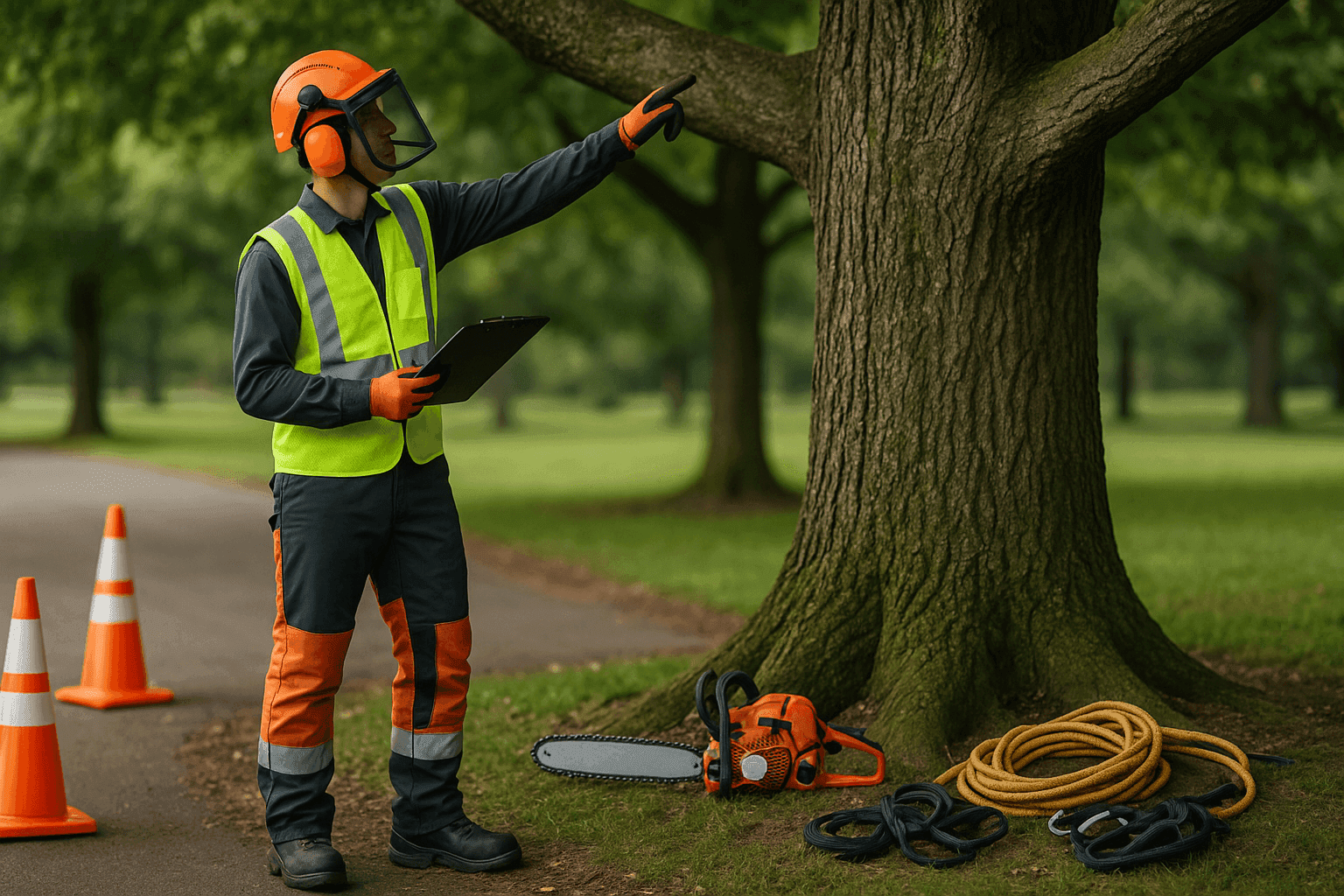
Tree removal isn’t just another yard chore. It’s a high-stakes job with real risks for property, people, and even your wallet. At Emsworth Tree Care, we’ve seen what happens when shortcuts are taken—cracked roofs, power outages, and injuries that could have been avoided.
Whether you own a family home or manage a commercial property, choosing the right arborist is more than a box to tick. It’s about protecting what matters most. Let’s dig in.
Why Hire a Certified Arborist? 🌳
Picture this: Removing a tree is like pulling the thread on a sweater. Done wrong, everything unravels. Certified arborists know how to manage the risks, keeping your property and everyone nearby safe. Here’s why credentials matter:
- Expertise: Certified pros undergo rigorous training and ongoing education. They understand tree biology, structural integrity, and proper removal techniques.
- Safety: They use the right equipment and follow strict safety protocols, minimizing hazards.
- Legal Compliance: Licensed arborists know local regulations, permits, and protected species laws (see ANSI A300 and OSHA tree care guidelines for reference).
- Insurance: Certified arborists carry liability insurance and workers’ compensation, shielding you from unexpected costs.
Anyone with a chainsaw can call themselves a “tree guy.” Only a qualified arborist has the expertise—and the paperwork—to back it up.
Credentials & Certifications to Look For
Credentials are your first line of defense. Look for these industry-recognized badges:
- ISA Certification: The International Society of Arboriculture (ISA) sets the gold standard for arborist certification.
- TCIA Accreditation: The Tree Care Industry Association (TCIA) accredits companies for safe, ethical practices.
- Local/State Licensing: Many areas require tree_services professionals to hold current licenses.
- Insurance Documentation: Ask for proof of both liability and workers’ compensation insurance.
Tip: Don’t just take their word for it—ask to see the certificates. Like a pilot’s license, these credentials should be ready for takeoff.
Questions to Ask Before Hiring
A good arborist welcomes your questions. Here’s what to ask before signing anything:
- What certifications do you and your crew hold?
- Can you provide up-to-date proof of insurance?
- What safety protocols do you follow on site?
- Who will actually perform the work? Are they employees or subcontractors?
- What equipment will you use? (Look for modern, well-maintained gear.)
- Can you supply references from recent tree removals?
- How will you protect my property, driveways, and landscaping?
- Will you handle permits or notifications if required?
Listen carefully. Clear, confident answers are a green light. Evasiveness or vague details? That’s a red flag.
Red Flags and Common Pitfalls 🚩
Not every tree_services company plays by the rules. Watch for these warning signs:
- Reluctance to show insurance or certifications.
- Offers that seem far below market rates—too good to be true usually is.
- No written estimate or contract.
- High-pressure tactics or cash-only deals.
- Out-of-date equipment, no safety gear, or poorly marked vehicles.
- Lack of local knowledge about protected species and municipal codes.
Unlicensed work can leave you liable for injuries or property damage. It’s like letting someone juggle chainsaws in your living room—what could possibly go wrong?
Ensuring Safe and Legal Tree Removal
Safe tree removal is more than muscle and machinery. It’s a process. Here’s what qualified arborists do to keep things above board:
- Site Assessment: Evaluating tree health, lean, root structure, and nearby hazards (like utility lines and buildings).
- Permitting: Securing any necessary permissions from local councils or authorities.
- Safety Prep: Setting up barriers, warning signs, and escape routes. Reviewing job hazards with the crew.
- Controlled Removal: Using industry-approved rigging, cranes, or cabling to bring trees down in sections, not all at once.
- Stump Grinding & Cleanup: Removing debris and grinding stumps to reduce trip hazards.
- Legal Disposal: Transporting wood and waste per environmental regulations.
For both residential and commercial clients, this thorough approach means peace of mind. No surprises. No headaches.
Practical Tips for Homeowners and Property Managers
- Always get multiple written estimates.
- Check reviews or ask neighbors about their experiences.
- Never skip the insurance check—one accident can cost more than the service itself.
- Schedule removals outside of storm season if possible, unless it’s an emergency.
- For commercial properties, confirm that the company can scale up for larger jobs and coordinate with other contractors.
Authoritative Resources
- ANSI A300 Tree Care Standards (for industry best practices)
- OSHA Tree Care Operations Safety Standards
- International Society of Arboriculture (ISA) Certification Guide
Final Thoughts
Tree removal is a serious undertaking. The right arborist brings skill, safety, and integrity to every job. Don’t settle for less—whether you need tree planting near you, emergency tree_services, or ongoing property maintenance, make sure you’re working with a true professional.
Call Emsworth Tree Care now — or reach us anytime at 855-606-4855 .