After the Storm: Emergency Tree Services and Property Safety Checklist
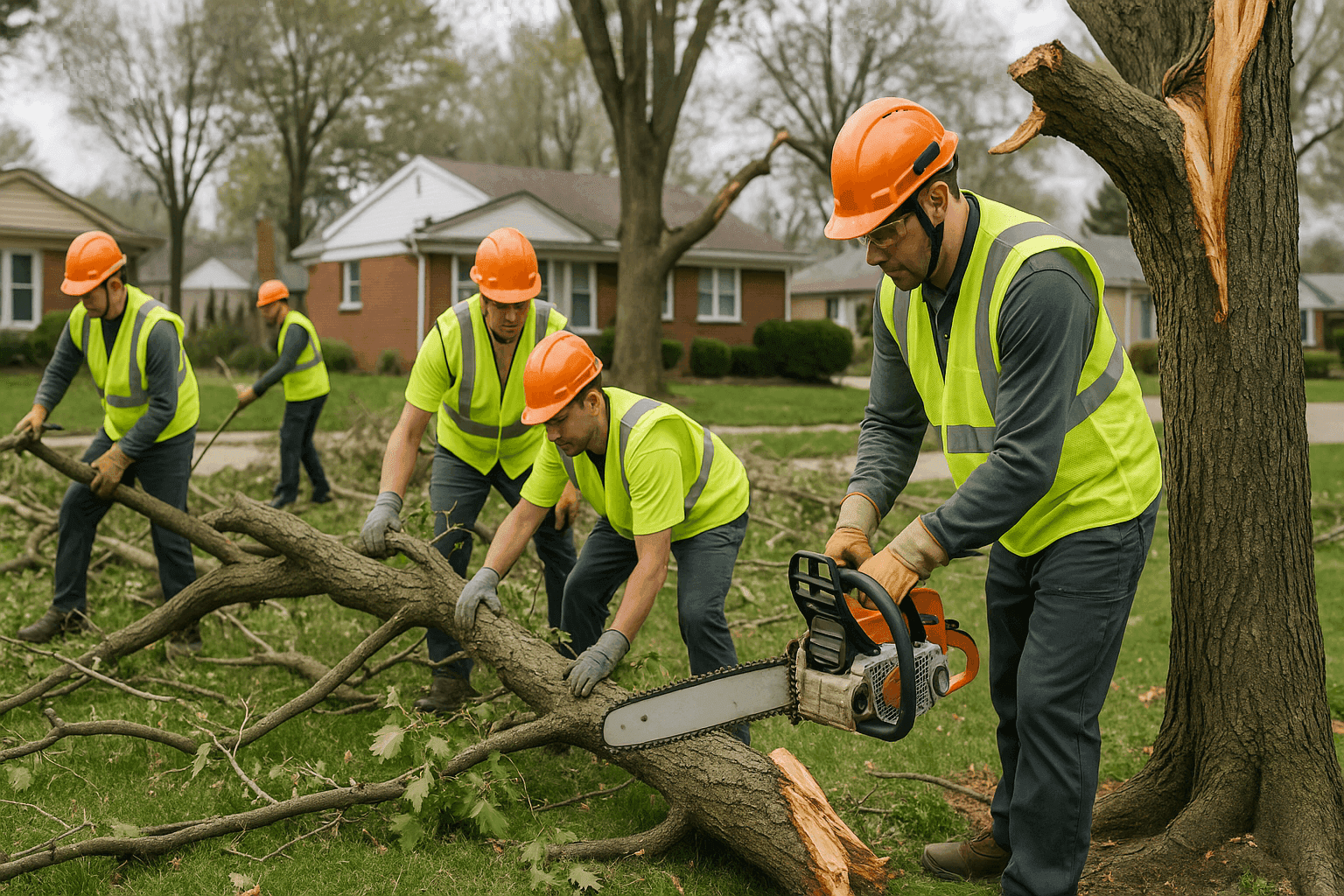
When a fierce storm sweeps through your neighborhood, it can feel like nature has turned your yard upside down. Fallen branches, split trunks, and trees leaning where they never leaned before—these are more than just a mess. They're a real safety hazard.
At Emsworth Tree Care, we know the aftermath of a storm is overwhelming. Tree_services become urgent, and every minute matters. Here’s a practical, step-by-step guide to help you stay safe, protect your property, and know when to call in the pros.
First Steps After a Storm 🌳
The wind has died down, but your adrenaline is still up. Before you do anything, pause and take a deep breath. Your safety comes first.
- Survey from a distance. Don’t rush outside. Look out the window or from a safe spot for hanging branches, uprooted trees, and utility lines.
- Don’t touch downed wires. If you see any, call emergency services immediately (per advice from the National Electrical Safety Code).
- Check for blocked exits. Make sure you can safely leave your home or business if needed.
- Keep children and pets indoors. Even trees that look stable can fall without warning.
Identifying Dangerous Trees and Limbs
Storm-damaged trees don’t always shout for attention. Sometimes, the biggest dangers are quiet—waiting overhead.
Watch for these warning signs:
- Trees leaning more than before, especially toward buildings or walkways
- Cracks or splits in the trunk or main limbs
- Large, hanging branches (“widowmakers”) dangling high above
- Uprooted trees with exposed roots
- Bark peeling away, exposing the wood underneath
- Stumps that seem recently shifted or tilted
If you spot any of these, treat them like a ticking clock. They could come down at any moment.
When to Call Emergency Services
Not every fallen branch calls for the cavalry. But some situations need immediate, professional help:
- Any tree entangled with power lines (call utility emergency first)
- Trees or limbs blocking driveways, roads, or emergency exits
- Large trees leaning suddenly or threatening buildings
- Storm damage that’s too big or dangerous for hand tools
Emsworth Tree Care offers true 24-hour emergency tree_services. Our crews arrive equipped for safe removal—including crane-assisted tree removal when needed.
Safety Precautions for Property Owners ⚠️
Before you grab a chainsaw or ladder, take these precautions:
- Never work near downed power lines. Electricity can travel through wet ground and wood.
- Stay off unstable ground. Uprooted trees may have shifted the soil, hiding sinkholes.
- Don’t climb damaged trees. Limbs can snap without warning.
- Use personal protective equipment. At minimum: helmet, gloves, eye protection, and sturdy boots.
- Work in pairs. Never tackle storm cleanup alone.
Remember, even experienced property owners can get hurt. If in doubt, wait for professional help.
Preventing Future Storm Damage
Think of your trees as ships in a stormy sea. Well-maintained ships weather the waves; neglected ones sink. Here’s how to fortify your landscape for next time:
- Schedule regular tree trimming & pruning. Remove deadwood and reduce wind load, especially for mature trees (see ANSI A300 Pruning Standards).
- Consider tree cabling & bracing. These systems support weak limbs and reduce breakage risk.
- Invest in plant health care and fertilizing. Healthier trees withstand stress better.
- Consult an arborist. Professional assessments catch small problems before they become big emergencies.
- Plant storm-resistant species. When planting new trees, choose those adapted to local climate and wind.
Preventive tree_services can make all the difference when the next storm rolls in.
Emergency Tree Services Checklist
Here’s a quick reference for what to do after a storm:
- [ ] Survey property from a safe distance
- [ ] Check for downed wires—call emergency services if found
- [ ] Identify leaning, cracked, or uprooted trees
- [ ] Note hanging branches or split trunks
- [ ] Keep people and pets away from danger zones
- [ ] Call professional tree_services if hazards are present
Pin this checklist to your fridge or share with your property manager—storms don’t wait for you to be ready.
DIY vs. Professional Help
You might be handy with a saw, but storm damage is a different beast. Here’s when it’s safe to DIY, and when to step back:
DIY Tasks:
- Cleaning up small branches and debris (on the ground, away from hazards)
- Light raking or sweeping
When to Call a Pro:
- Large limbs, especially overhead
- Trees leaning or uprooted
- Any work near power lines
- Stump grinding or crane-assisted removal
- Trees over structures or fences
Professional crews are trained in advanced safety practices (referenced in OSHA’s Tree Care Operations standards) and have the right equipment for heavy jobs.
What Emsworth Tree Care Does On Arrival
When you call us for emergency tree_services, here’s what happens:
- Rapid assessment: We size up all hazards, including those you may not see
- Safety perimeter: Our team secures the area to protect people, pets, and property
- Specialized removal: We use cranes, rigging, and ground protection mats as needed
- Debris cleanup: Storm damage cleanup includes haul-away, stump grinding, and site restoration
- Arborist consultation: If needed, we provide plant health care or recommendations for future prevention
Our crews work day and night—because storms don’t keep office hours.
Costs & Time Factors
Every storm, and every tree, is different. Here’s what can affect the cost and timing of emergency tree_services:
- Tree size and location: Larger, harder-to-reach trees take longer
- Severity of damage: Split trunks or trees on buildings require extra care
- Equipment needed: Crane-assisted removals or stump grinding add complexity
- Access: Tight spaces or blocked driveways can slow things down
- Disposal: Hauling away debris, especially after major storms, may take extra trips
We’ll always give you a realistic estimate before any work begins, so there are no surprises.
When It’s an Emergency
If you’re not sure whether your situation is urgent, use this simple rule: If a tree or limb could injure someone, block a vital path, or cause property damage, it’s an emergency.
Don’t wait. Call for professional tree_services right away.
FAQ: Storm Damage & Emergency Tree Services
Q: How soon should I call after a storm?
A: As soon as it’s safe. The sooner you call, the faster we can assess and address hazards.
Q: Will insurance cover emergency tree removal?
A: Many policies cover trees that damage insured structures. Check with your provider for details.
Q: Should I try to remove small limbs myself?
A: Only if they’re safely on the ground, away from power lines, and you have proper safety gear.
Q: How can I tell if a tree is likely to fall?
A: Look for new leans, cracks, exposed roots, and hanging branches—these all signal risk.
Local & Seasonal Considerations
Storm patterns change with the seasons, and so do risks. In spring, saturated soils make trees more likely to uproot. In late summer, heavy foliage can act like a sail in the wind. Winter storms can freeze limbs, causing sudden breaks.
Scheduling routine property maintenance—especially before storm season—can minimize surprises and keep your landscape healthy.
Your safety and peace of mind are our top priority. For fast, reliable emergency tree_services and expert arborist consultations, Emsworth Tree Care is here day or night.
Call Emsworth Tree Care now — or reach us anytime at 855-606-4855 .